March Unicorn: Graphics and Crafts in One
As a designer who regularly works on branding, marketing visuals, and printable products, I always look for high-quality design assets that can elevate a project without overcomplicating it. March Unicorn caught my eye with its whimsical charm and versatility. It’s a graphic design asset that feels both creative and practical, making it ideal for small business branding, handmade products, and seasonal campaigns.
The First Impression: Whimsy Meets Craftsmanship
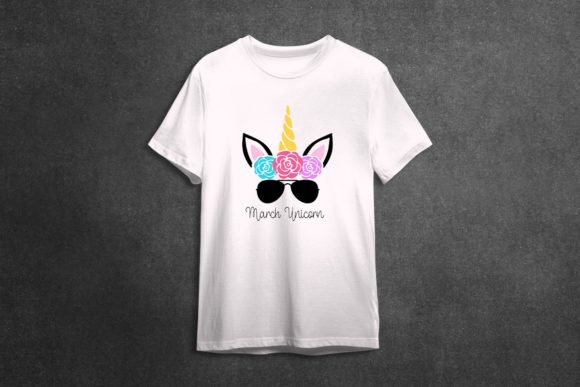
March Unicorn immediately evokes a sense of playful elegance. The design is soft yet detailed, blending a magical aesthetic with clean lines. It has the kind of visual appeal that can work in both modern and traditional settings, depending on how it’s used. For a client looking to add a touch of fantasy to their brand or product line, this asset offers a perfect balance between creativity and professionalism.
It’s clear that the artist behind March Unicorn understands the nuances of design. The illustration isn’t overly complex, but it still carries enough detail to feel rich and engaging. This makes it suitable for a wide range of applications, from t-shirt designs to packaging elements and social media graphics.
Real-World Applications: From T-Shirts to Brand Identity
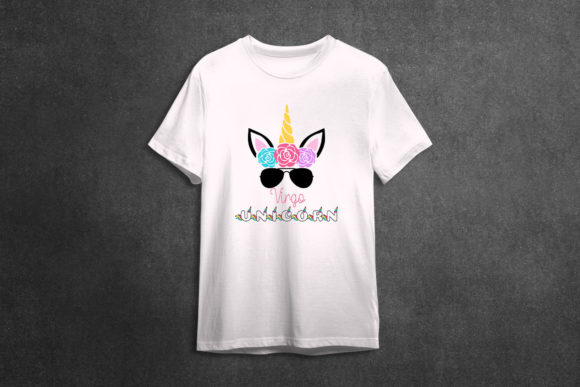
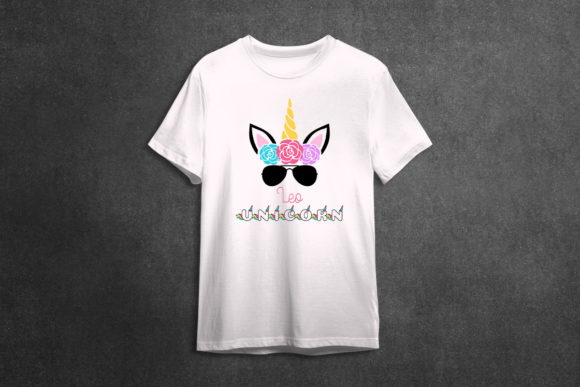
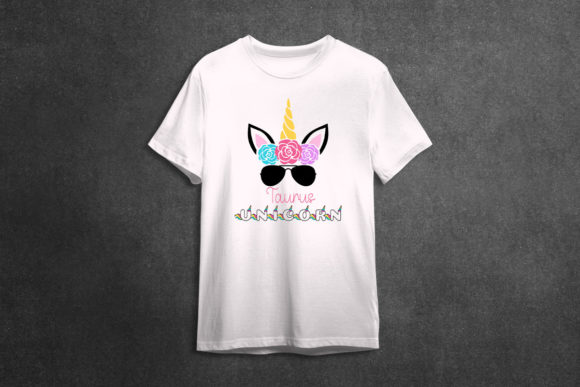
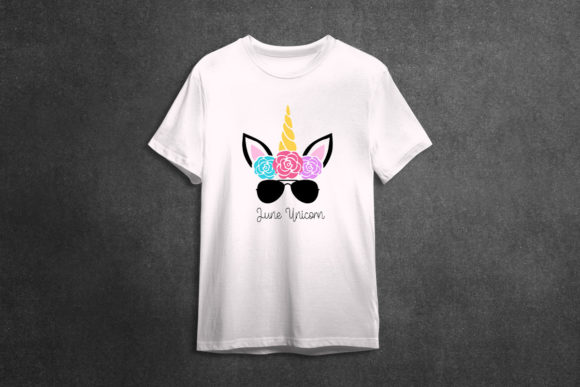
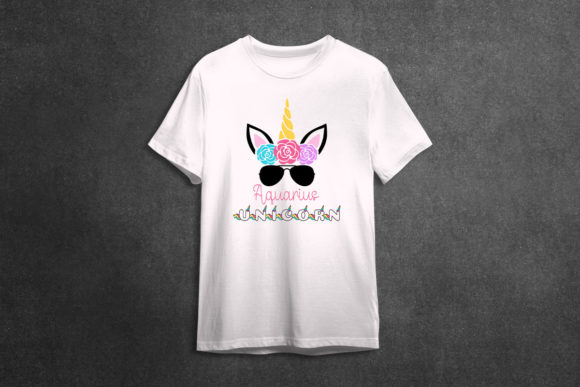
One of the first things I considered was how March Unicorn could be used in a real client project. Imagine a boutique clothing brand launching a spring collection with a whimsical theme. This design could serve as a key visual element—whether as a sticker design, a Canva template, or part of a product mockup. Its clean lines make it easy to scale and adapt, which is essential for print-on-demand sellers and Etsy product creators.
For packaging design, March Unicorn could be used as a decorative accent on labels, tags, or boxes. It also works well as a sublimation design for mugs, tote bags, and other merchandise. When paired with a simple font, it can even function as a logo design or brand mark, especially for businesses targeting a younger, more creative audience.
In editorial design, this asset could be used as a background element or a focal point in a magazine spread or blog post. Its versatility allows it to stand out without overwhelming the surrounding content, making it an excellent choice for web design and digital ads.
Where March Unicorn Shines: Large Layouts and Themed Campaigns
March Unicorn excels in large layout areas where it can act as a hero graphic or a central motif. It’s particularly effective in themed collections, such as a holiday campaign or a seasonal promotion. When used in product mockups, it adds a sense of authenticity and polish that can help a design feel more cohesive and professional.
For social media graphics, this design can be a strong visual anchor. Whether used in Instagram posts, Pinterest pins, or Facebook banners, it brings a sense of creativity and fun that aligns well with modern design trends. It also works well as a supporting brand element in a larger design bundle, offering consistency across multiple platforms.
Where to Use It Carefully: Minimalist and Corporate Projects
While March Unicorn is versatile, it may not be the best fit for minimalist branding or corporate design projects. Its intricate details and whimsical style might clash with clean, straightforward aesthetics. In such cases, it’s better to opt for simpler, more neutral design assets that align with the brand’s tone and messaging.
Additionally, when working on low-contrast designs or crowded layouts, March Unicorn could become visually distracting. It’s important to test it at different sizes and on various backgrounds to ensure it maintains clarity and impact. For commercial design projects, especially those requiring strict visual hierarchy, it’s wise to pair this asset with more subdued elements to avoid overwhelming the viewer.
Design Notes: Practical Considerations Before Use
Before using March Unicorn for a client project, there are several practical steps every designer should take. First, test it in black and white to see how it holds up without color. Check contrast on both light and dark backgrounds to ensure readability. Preview it at small and large sizes to confirm that it remains legible and visually appealing at all scales.
Place it on real mockups to see how it integrates with existing design elements. Test print quality if it’s intended for physical use, and review the file formats provided—PNG, SVG, EPS, DXF, and PDF. If transparency is involved, inspect the PNG design carefully. For SVG files, verify that they’re editable and scalable without losing quality.
Compare it with different font styles to see how it interacts with serif, sans serif, script, and display fonts. This will help determine the best pairing for the project’s overall look and feel. Finally, always confirm the commercial license before using it for a client or business project. This ensures that the design can be used legally and without restrictions.
Conclusion: A Creative Asset for the Right Project
March Unicorn is a great example of a graphic design asset that balances creativity with practicality. It fits well within the Crafts and Graphics categories, offering value for designers, small business owners, and creative marketplace sellers. Whether used in t-shirt design, packaging, or social media graphics, it brings a unique visual flair that can enhance a project’s overall appeal.
However, like any design asset, it requires thoughtful application. Understanding where it works best and where it needs careful handling is key to leveraging its full potential. For the right project, March Unicorn can be a powerful tool in a designer’s toolkit, helping to create memorable and engaging visuals that resonate with audiences.